

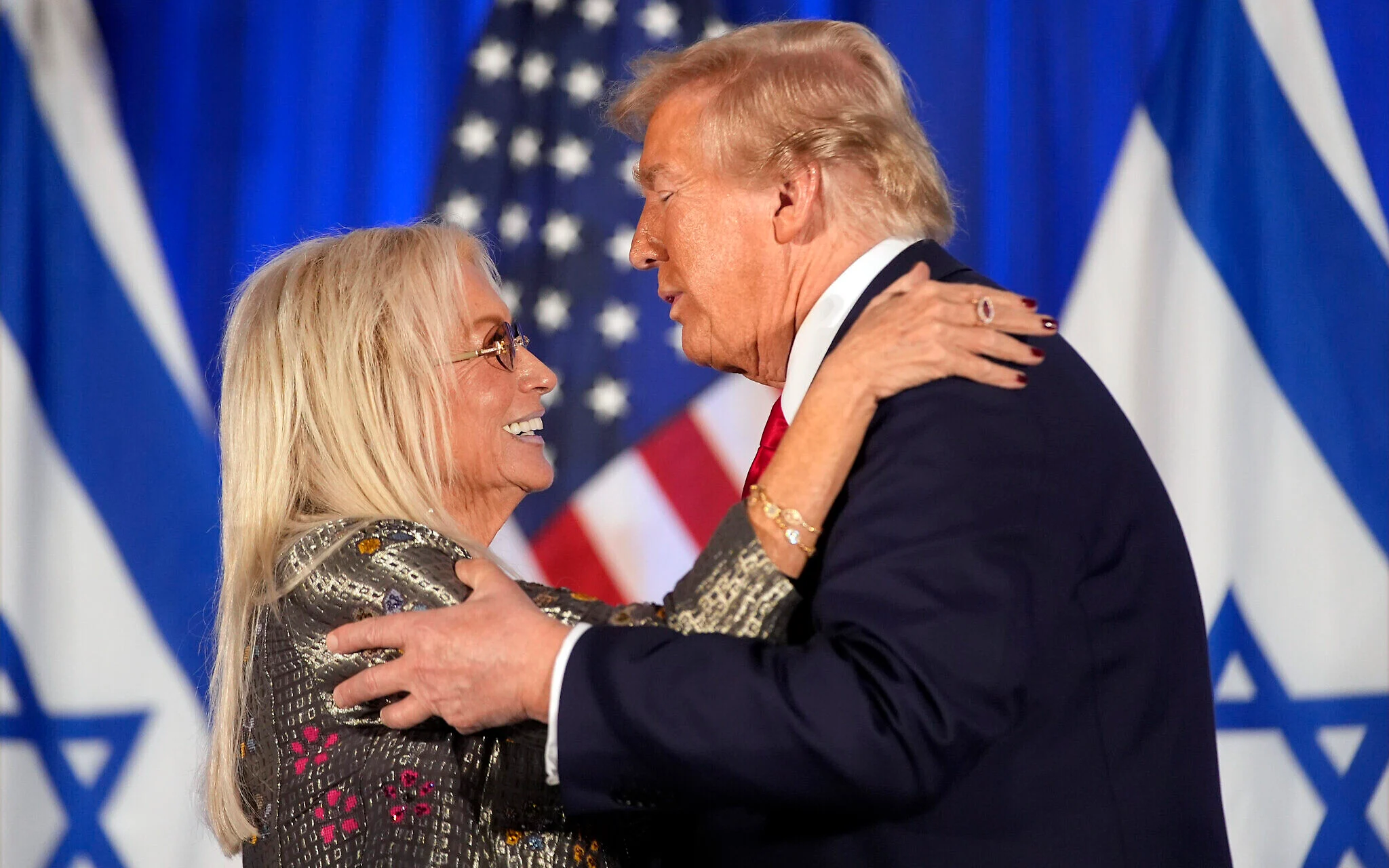
The name miriam adelson is once again echoing through America’s political and business corridors — and this time, the stakes feel bigger than ever. Behind closed doors in Washington, in campaign strategy rooms, and across high-powered media networks, conversations are intensifying. Billion-dollar donations. Strategic influence. Power alignments ahead of a defining election cycle. If you thought political kingmakers were fading into the background, think again.
Over the past decade, miriam adelson has evolved from a prominent philanthropist into one of the most influential political donors in the United States. As the 2026 political climate heats up, insiders suggest her financial backing could shape not just campaigns, but policy direction itself. So what’s really happening behind the headlines — and why does it matter now?
A Political Power Player Returns to the Spotlight
In recent months, Miriam adelson has reemerged as a central force in high-level Republican fundraising efforts. Known for her historic support of conservative candidates, her political donations have consistently ranked among the largest individual contributions in modern American history. According to Federal Election Commission records from past cycles, she and her late husband collectively gave hundreds of millions of dollars to super PACs and aligned causes.
What makes this moment different is timing. With the United States entering another high-stakes national election period, wealthy donors are positioning themselves carefully. Analysts suggest that miriam adelson is not merely contributing — she is strategically influencing messaging, campaign priorities, and long-term party direction. Political funding trends show mega-donors increasingly shape early narratives before primary races even begin, and her presence signals a recalibration of conservative strategy.
From Philanthropy to Political Influence
Long before becoming a dominant political donor, miriam adelson built her reputation in medical research and philanthropy. A physician by training, she co-founded major addiction treatment initiatives and funded global health programs. These charitable ventures helped establish her credibility beyond the political sphere, particularly in healthcare innovation and education reform.
However, political observers note a gradual pivot over the years. Her philanthropic footprint began intersecting more openly with policy advocacy, especially regarding U.S.–Israel relations and national security policy. The shift illustrates a broader trend in American politics: high-net-worth individuals leveraging charitable platforms to amplify ideological influence. As political spending continues to climb — surpassing $14 billion in the 2024 federal elections — figures like miriam adelson represent a new hybrid of donor, advocate, and strategist.
Billion-Dollar Donations and Election Strategy
Few individuals can move markets, media narratives, and political momentum with a single funding decision. Yet insiders argue that miriam adelson has that capability. During past election cycles, her financial support helped fuel advertising campaigns, voter mobilization efforts, and policy-driven think tanks. In tightly contested states, such funding can tip messaging advantages significantly.
Data from campaign finance watchdogs show that mega-donors contributed nearly 15 percent of total outside political spending in recent federal elections. That concentration of funding gives a small circle of individuals disproportionate influence. As 2026 approaches, strategists speculate whether miriam adelson will consolidate her backing behind one candidate early — potentially reshaping the primary landscape — or diversify investments across multiple contenders to maximize leverage.
The Business Empire Behind the Influence
Beyond politics, miriam adelson controls a vast business network anchored in the casino and hospitality industry. Following the passing of her husband, she became the majority shareholder of Las Vegas Sands, one of the world’s largest casino operators. The company’s international footprint spans Asia and major U.S. markets, placing her at the intersection of global business and domestic policy.
This corporate influence carries strategic weight. Regulatory decisions, tax structures, trade agreements, and tourism policies directly affect gaming and hospitality revenues. Political analysts note that donors with extensive business interests often support candidates aligned with pro-business regulatory frameworks. In this context, miriam adelson operates not just as a political contributor but as a stakeholder in broader economic policy debates shaping America’s future.
Media, Messaging, and Narrative Control
Political funding in 2026 is not just about television ads. It’s about digital dominance, algorithmic reach, and narrative framing. Super PACs backed by prominent donors increasingly invest in data analytics firms, targeted social media campaigns, and influencer partnerships. Observers believe miriam adelson understands this shift and is adapting accordingly.
Control over messaging has never been more critical. With younger voters consuming news primarily via mobile platforms and short-form content, strategic funding can amplify or suppress narratives within hours. Political communication experts argue that high-profile donors influence which issues trend nationally — from foreign policy to economic reform. If miriam adelson chooses to fund media infrastructure rather than just campaign ads, her impact could extend well beyond a single election cycle.
Public Reaction and Ethical Debate
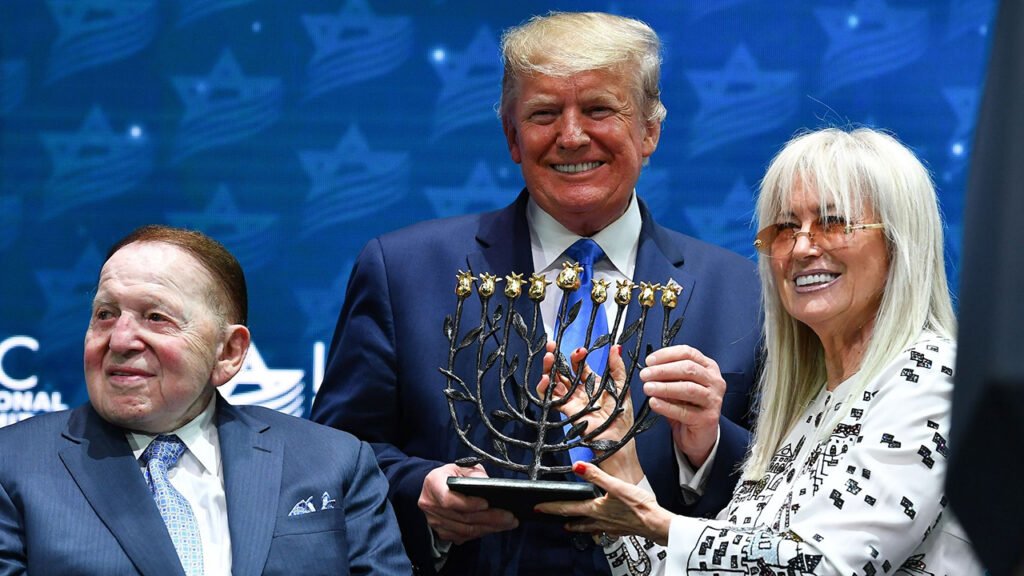
The growing influence of ultra-wealthy donors inevitably sparks controversy. Critics argue that concentrated political funding undermines democratic balance, giving outsized power to a limited group of billionaires. Supporters counter that political donations are protected expressions of free speech under Supreme Court rulings such as Citizens United.
Public sentiment remains divided. Polling from recent years shows a majority of Americans express concern about money in politics, yet campaign spending continues to escalate. In this debate, miriam adelson often becomes a symbol of the broader conversation about wealth and influence. Her supporters highlight philanthropic achievements and policy advocacy. Opponents point to the scale of contributions and question the long-term implications for democratic representation.
The Israel Policy Connection
One consistent thread in discussions about miriam adelson is her strong advocacy for U.S.–Israel relations. Over the years, she has supported initiatives reinforcing diplomatic ties and security cooperation between the two nations. Foreign policy analysts say this alignment remains a core factor in her political engagement.
In an era of shifting global alliances and rising geopolitical tension, Middle East policy is again central in American campaigns. Candidates seeking major donor backing often articulate clear positions on Israel, defense funding, and regional strategy. Observers believe that any candidate hoping to secure significant support from miriam adelson must demonstrate firm commitment to these priorities, underscoring how individual donors can shape policy emphasis before voters even weigh in.
What 2026 Could Mean for American Politics
As campaign infrastructure accelerates nationwide, the looming question is simple: how decisive will mega-donors be in shaping the outcome? Political strategists predict outside spending in 2026 could break previous records, potentially exceeding $16 billion if trends continue. That surge would further amplify the role of high-capacity contributors like miriam adelson.
Future projections suggest political financing may become even more concentrated, with a handful of billionaires providing early capital to define campaign viability. Early money often signals credibility, attracting additional donors and media coverage. If miriam adelson makes a major early commitment, it could instantly elevate a candidate’s national standing — a ripple effect that transforms primaries before ballots are cast.
The Broader Shift in Political Power
Beyond individual campaigns, the rise of mega-donors signals a structural shift in American political power. Traditional grassroots fundraising still matters, especially for mobilization, but high-dollar contributions accelerate strategy, staffing, and digital reach at scale. In this evolving system, figures like miriam adelson represent a new era of political architecture.
Technology has further magnified this shift. Sophisticated voter modeling tools, AI-driven outreach systems, and data-backed persuasion campaigns require massive upfront investment. Billionaire donors enable rapid deployment of such infrastructure. As a result, political battles are increasingly fought with corporate-level precision. Observers suggest that the 2026 cycle may showcase the most technologically advanced — and donor-driven — campaigns in U.S. history.
Why This Moment Matters Now
Timing is everything in politics. Economic uncertainty, global tensions, and domestic polarization are converging at once. In such moments, financial backing can determine which narratives dominate and which fade. The renewed activity surrounding miriam adelson suggests that major players are already planning for the long game.
For voters, this raises essential questions about influence, accountability, and representation. Will concentrated wealth continue shaping national priorities? Or will new reforms alter campaign finance dynamics? As headlines unfold, one thing is certain: miriam adelson remains a defining figure in America’s political funding landscape — and her next move could set the tone for years to come.
