

The internet never forgets—but sometimes it suddenly remembers. Over the past few days, one name has quietly surged across search engines, social feeds, and entertainment forums in the United States: michael tell. For many Americans, the name sparks curiosity. For others, it opens a chapter of celebrity history long buried under decades of silence. Why is michael tell trending again? And why are younger audiences, who weren’t even born during the original headlines, suddenly fascinated?
The renewed attention feels like a digital time capsule cracking open. In a culture obsessed with revisiting the past—from docuseries to viral celebrity deep-dives—michael tell has become the latest figure pulled back into the spotlight. But this isn’t just nostalgia. It’s about unresolved questions, media myths, and the enduring power of celebrity connections.
The Sudden Surge: Why Michael Tell Is Trending Now
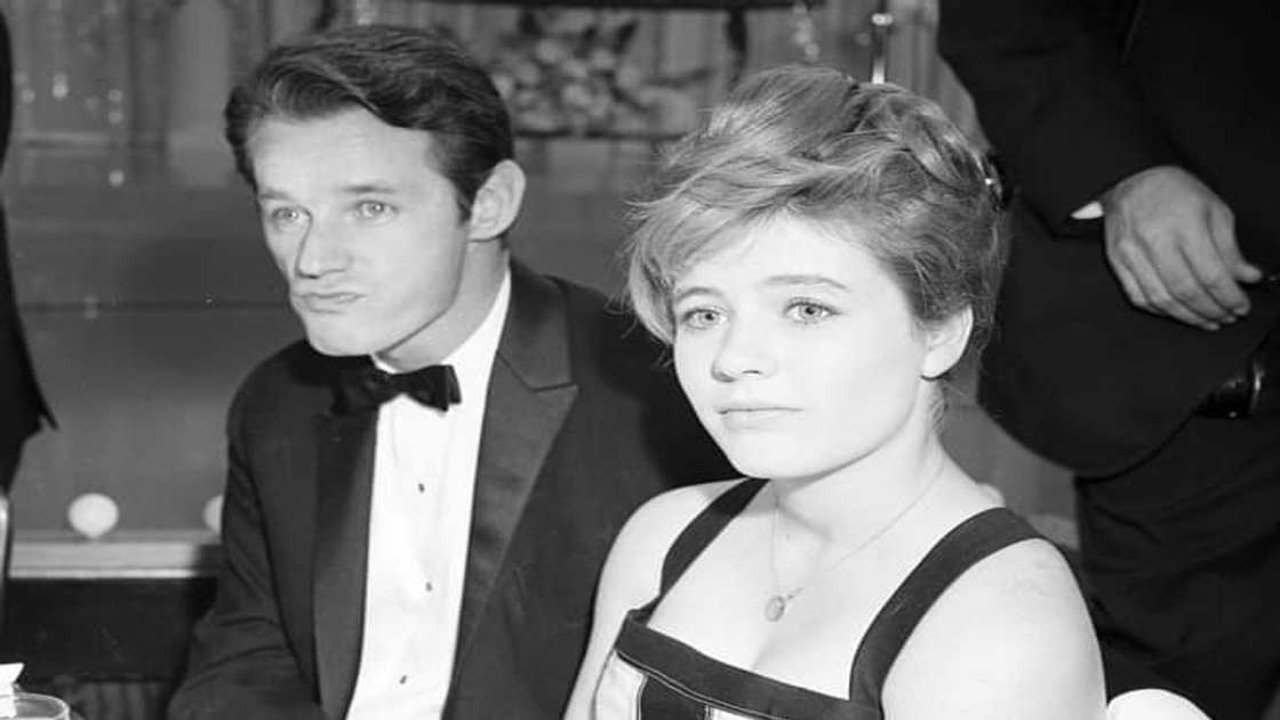
Search data across the U.S. shows a noticeable spike in queries for michael tell, particularly following renewed conversations about actress Patty Duke and her complicated personal history. The digital buzz appears to have been fueled by social media threads and celebrity retrospectives that revisited Duke’s brief and highly publicized marriage in 1970. Within hours, the topic climbed into trending entertainment discussions.
What makes this surge different is the generational shift driving it. Millennials and Gen Z users are discovering the story through short-form video explainers, pop culture podcasts, and celebrity timeline breakdowns. In an era where “receipts” and archived interviews resurface overnight, michael tell is being reintroduced to audiences who crave context, clarity, and the truth behind Hollywood legends.
The 13-Day Marriage That Sparked Decades of Questions
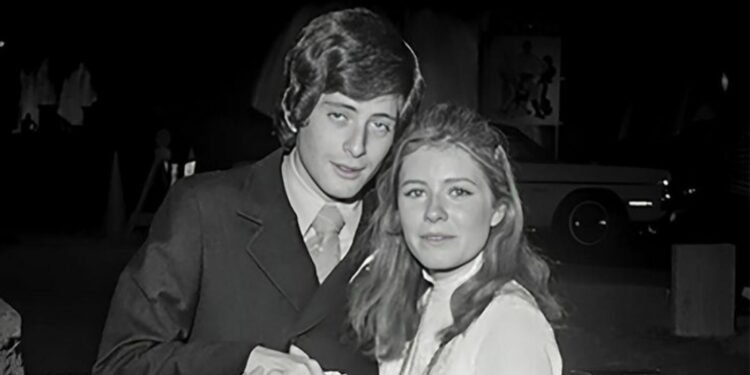
In 1970, michael tell married Patty Duke in a whirlwind ceremony that lasted just 13 days. At the time, Duke was already a household name, celebrated for her Oscar-winning performance in The Miracle Worker and her starring role in The Patty Duke Show. The marriage shocked fans and tabloids alike, becoming instant headline material in an era long before viral tweets and Instagram posts.
The short-lived union later became part of a much larger and more complicated story involving paternity questions and media speculation. Duke’s son, actor Sean Astin, would years later publicly discuss the uncertainty surrounding his biological father. For decades, michael tell remained largely silent, turning what could have been fleeting gossip into a lingering Hollywood mystery.
A Story Rewritten by Time and DNA
In the 1990s, advances in DNA testing brought long-awaited clarity to the paternity questions that had surrounded the Duke-Tell chapter. The results confirmed that michael tell was Sean Astin’s biological father, reshaping the narrative that tabloids had spun for years. The revelation added emotional depth to a story once treated as pure celebrity drama.
Astin, known globally for his role in The Lord of the Rings: The Fellowship of the Ring, has spoken candidly about the experience of navigating complex family dynamics. For many fans rediscovering michael tell today, the story feels less scandalous and more human. It highlights themes of identity, reconciliation, and understanding—topics that resonate strongly in today’s cultural climate.
The Role of Social Media in Reviving Old Headlines
Unlike past decades, modern fame isn’t controlled solely by studios or tabloids. Algorithms now decide which stories resurface. On platforms like TikTok and X, short-form storytelling has transformed old Hollywood events into digestible narratives for new audiences. Clips from interviews, memoir excerpts, and archived articles are circulating once again.
Media analysts note that nostalgia-driven content is performing exceptionally well in 2026. According to industry trend reports, searches related to “celebrity family secrets” and “Hollywood mysteries explained” have increased significantly year-over-year. In that context, michael tell becomes part of a broader cultural moment where audiences revisit unresolved celebrity stories with fresh eyes and modern sensibilities.
Understanding Michael Tell Beyond the Headlines
While his name is now back in circulation, michael tell himself was never a traditional Hollywood figure. He worked as a promoter and maintained a largely private life outside the entertainment spotlight. Unlike actors or musicians who continuously seek media exposure, he remained mostly out of public interviews and press tours.
That decision to stay private may be part of what fuels the intrigue today. In an age of oversharing, silence stands out. Many online commentators argue that michael tell’s low profile adds to the mystique. Without constant public appearances or social media accounts clarifying his perspective, speculation fills the gap—something that continues to drive clicks and conversations.
The Broader Conversation About Celebrity Narratives
The renewed focus on michael tell reflects something bigger than a single individual. It highlights how celebrity narratives evolve over time. In the 1970s, coverage centered on shock value. By the 1990s, it focused on scientific proof. Today, the lens is more psychological and empathetic.
Younger audiences are less interested in scandal and more invested in emotional truth. Conversations now explore how fame, mental health, and media pressure affected public figures like Patty Duke. Revisiting michael tell’s role in that story becomes part of understanding the broader pressures of Hollywood during a very different era of entertainment reporting.
What Experts Say About the Current Resurgence
Pop culture historians suggest that the cycle of rediscovery is accelerating. Streaming platforms have normalized retrospective storytelling. Documentaries, biopics, and podcast deep dives often lead viewers to research secondary figures connected to headline stars. When one name trends, others follow.
Industry analysts also point to Google Discover’s preference for emotionally engaging, curiosity-driven content. Articles revisiting unresolved celebrity chapters frequently perform well because they blend nostalgia with revelation. The michael tell story fits that formula perfectly: brief marriage, decades of questions, DNA confirmation, and long-term reconciliation.
Could There Be a Documentary or Biopic Next?
Speculation is already brewing online about whether the Duke-Tell chapter could become part of a future docuseries. Hollywood has seen growing demand for limited-series biographical dramas focusing on complicated family histories. If such a project materializes, interest in michael tell would likely surge even higher.
Entertainment insiders note that biographical adaptations of classic Hollywood figures have performed strongly in recent years. With streaming competition intensifying, studios are constantly searching for emotionally rich narratives with built-in public recognition. The michael tell story, tied to an Academy Award-winning actress and a beloved modern film star, certainly meets that criteria.
The Future of the Michael Tell Narrative
So what happens next? In today’s media environment, trending stories rarely fade quietly. They either evolve or transform into larger conversations. As more users discover archived interviews and memoir excerpts, discussions may shift toward broader themes of family identity and forgiveness.
What seems clear is that michael tell is no longer just a footnote in celebrity history. He has become a symbol of how narratives change with time, technology, and perspective. Whether the buzz sustains or slowly declines, the renewed spotlight proves that even decades-old stories can find new life in the digital age.
